
How to Prepare Your Vehicle for a Dyno Test in West Sussex


Preparing your vehicle for a dyno test is crucial to ensure accurate results and the safety of your car. Whether you're looking to measure horsepower or fine-tune your engine, following the right steps can make all the difference. In West Sussex, many enthusiasts turn to dyno testing to optimize their vehicles. Here's how to get started.
Understand the Purpose of Dyno Testing
Before you schedule a dyno test, it's important to understand why you're doing it. Dyno testing helps measure the performance of your engine, providing data on horsepower, torque, and air-fuel ratio. This information can be invaluable for performance tuning and diagnosing issues.
Consider what you hope to achieve with the test. Are you planning to make modifications based on the results, or are you simply curious about your car's current performance? Having a clear goal will help you and the technician make the most of the session.
Perform a Pre-Test Inspection
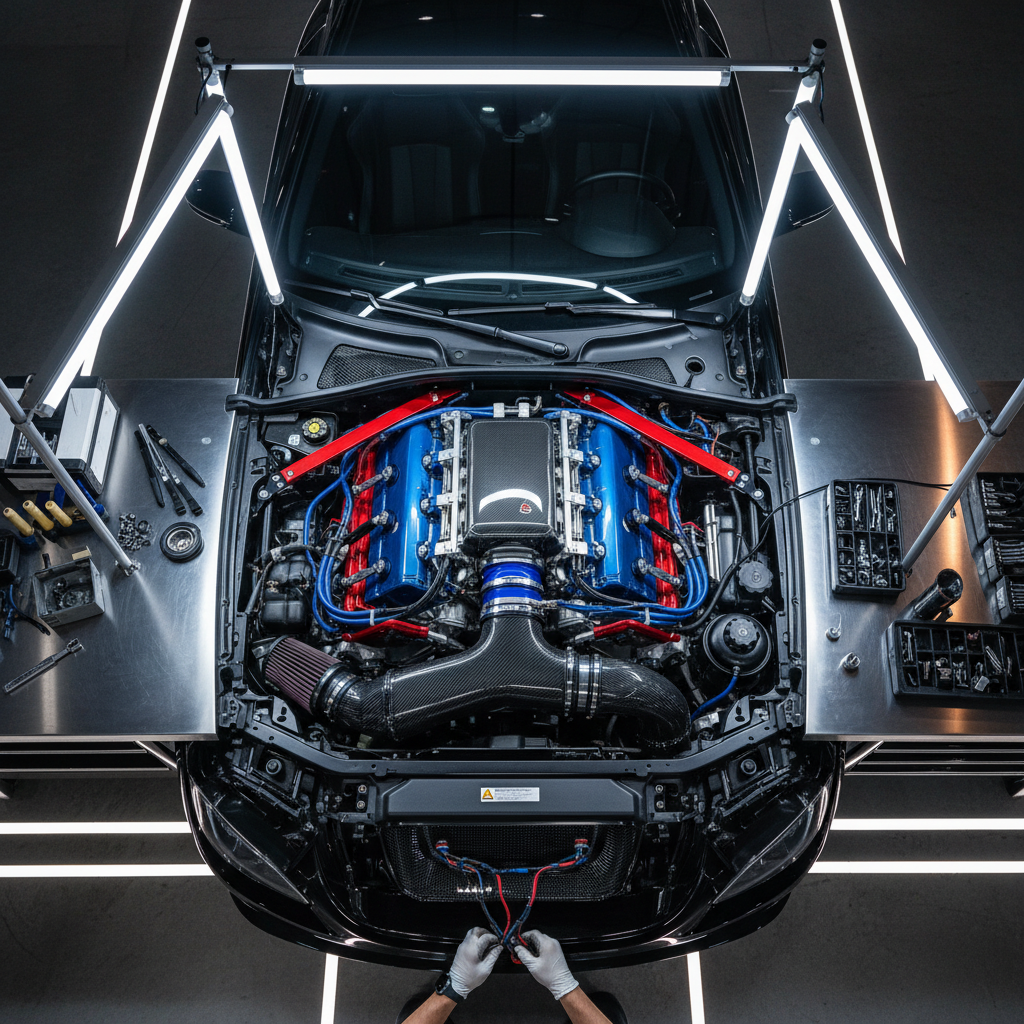
A thorough inspection of your vehicle is essential before heading to the dyno. Check the oil level and quality, as fresh oil is vital for engine health during high-rev tests. Ensure that all fluids, including coolant and brake fluid, are topped off and in good condition.
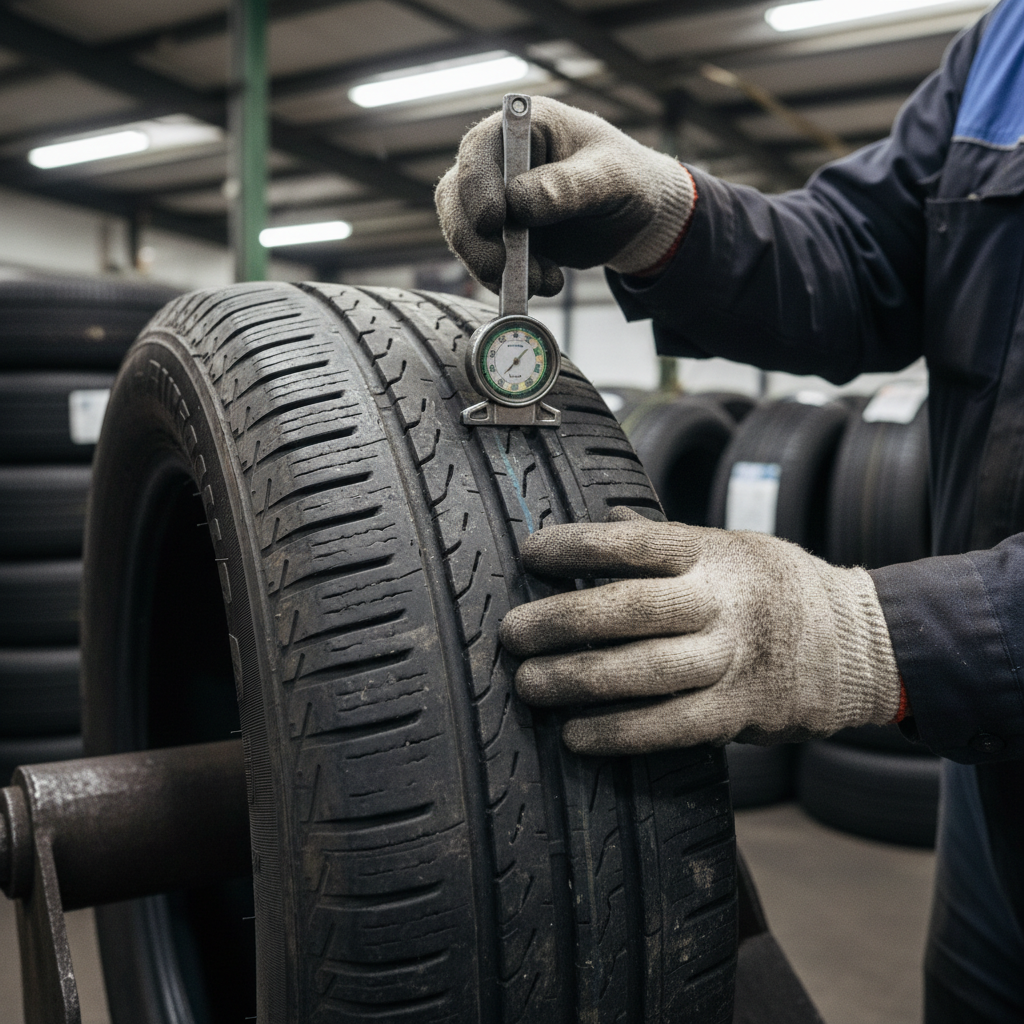
Inspect your tires for any wear or damage. Proper tire pressure is crucial for accurate readings, so adjust them according to your manufacturer’s specifications. Additionally, check for any loose or damaged components that could affect the test or pose a safety risk.
Ensure Engine Health
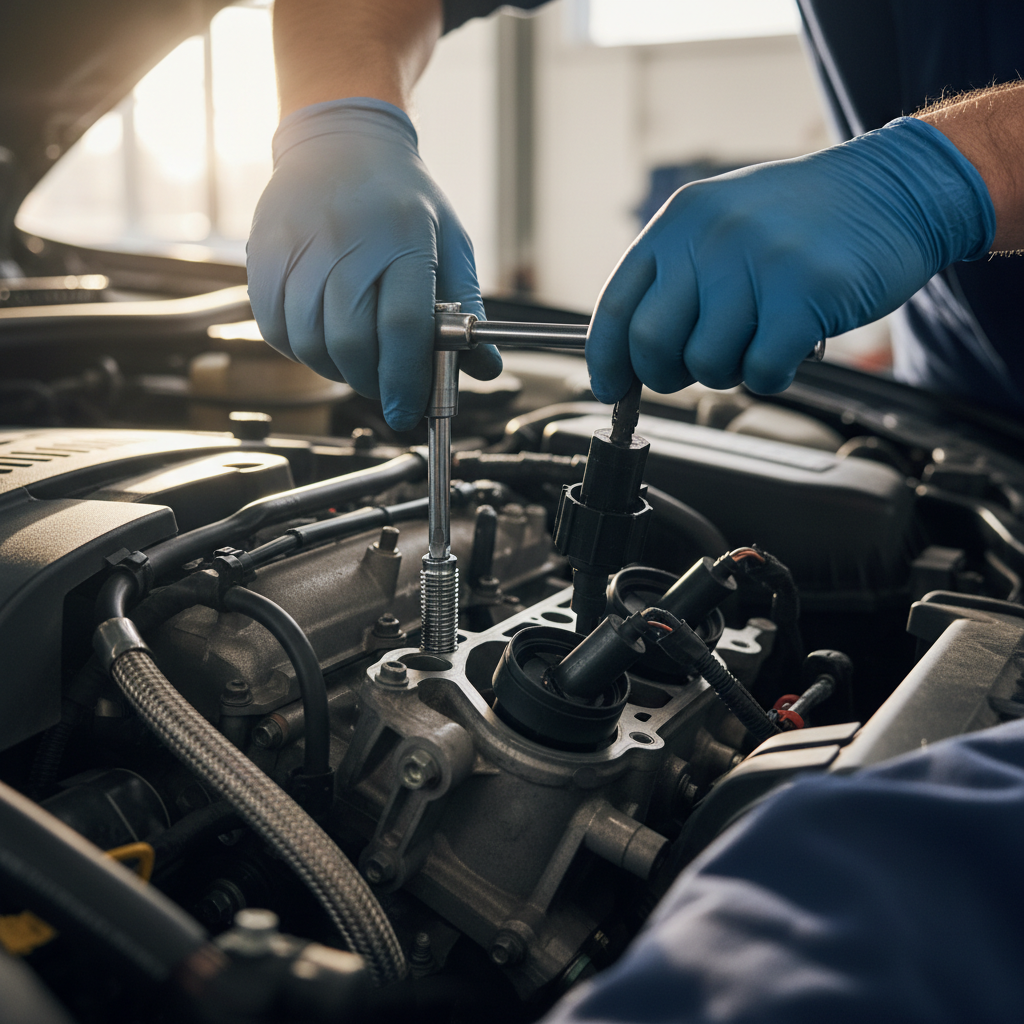
Ensuring your engine is in top condition is fundamental for a successful dyno test. Make sure the spark plugs are in good shape, as faulty plugs can lead to misfires and inaccurate readings. Consider replacing them if necessary.
It's also wise to check the air filter. A clean air filter ensures optimal airflow, which is critical for engine performance. If your vehicle has a performance air filter, make sure it’s clean and properly fitted.
Prepare for the Test Day
On the day of the test, ensure your vehicle is fueled with high-quality gasoline. This helps in achieving consistent and reliable results. Avoid bringing extra weight in your vehicle, as it can affect the performance metrics.
Arrive at the dyno facility with enough time for any last-minute adjustments. Communicate clearly with the technician about your goals for the test, as their expertise can help you achieve the best outcomes.
During and After the Test
During the test, the technician will handle most of the operations, but it's essential to stay informed. Pay attention to the data being collected, and ask questions if you're unsure about any readings.
After the test, analyze the results with the technician. This is your opportunity to understand your vehicle's performance and discuss any potential modifications or improvements. Use the insights gained to make informed decisions about future upgrades or maintenance.

By following these steps, you can ensure a successful dyno test experience in West Sussex. Proper preparation not only leads to accurate results but also enhances your vehicle's performance and longevity. Happy tuning!