
Expert Tips on Diagnosing Common Car Issues


Understanding Your Car's Warning Lights
Your car's dashboard is like a communication tool between you and the vehicle. When a warning light illuminates, it’s crucial to understand what it signifies. Common lights include the check engine light, oil pressure light, and brake system warning. Each light indicates a specific issue that needs attention.
For example, a flashing check engine light often signals a severe problem, such as a misfiring engine. In contrast, a steady light may point to a less urgent issue, like a loose gas cap. Understanding these signals can save you time and money.

Check Engine Light
This is one of the most common warning lights and can be triggered by a variety of issues. Some frequent causes include:
- Loose or faulty gas cap
- Oxygen sensor failure
- Mass airflow sensor issues
If your check engine light comes on, use an OBD-II scanner to read the error codes or visit a professional mechanic for a comprehensive diagnosis.
Unusual Noises and Vibrations
Certain noises and vibrations can indicate underlying problems in your vehicle. Recognizing these signs early can prevent further damage. Common troublesome sounds include squealing brakes, grinding gears, and clunking from the suspension system.
Brakes Squealing
If you hear a high-pitched squeal when applying the brakes, it usually means the brake pads are worn and need replacement. Ignoring this can lead to more significant brake system damage.
Fluid Leaks
Spotting fluids under your car can be alarming. Identifying the type of fluid can help diagnose the problem. Common fluids include:
- Oil: Brown or black, typically found under the engine.
- Coolant: Green or orange, often with a sweet smell.
- Brake Fluid: Clear to brown, usually found near wheels.
Oil Leaks
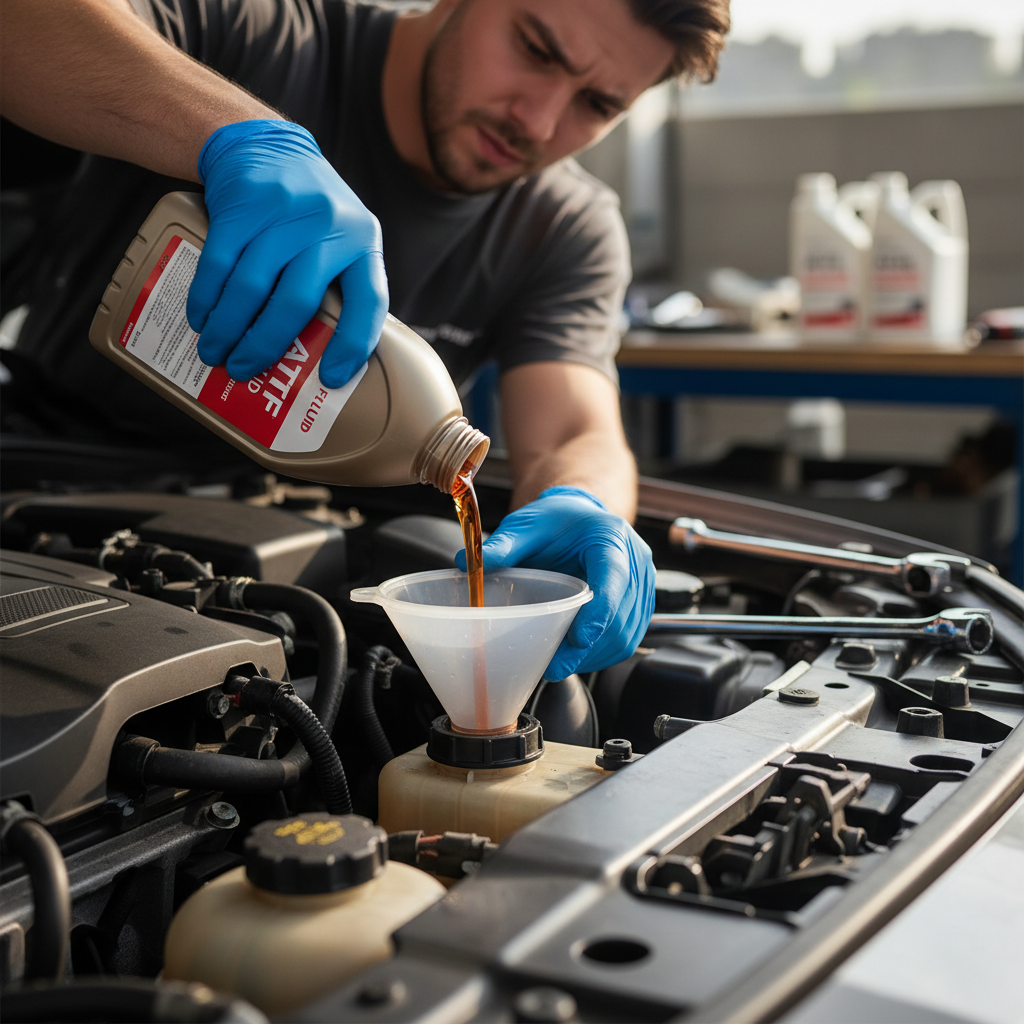
Oil leaks are common and can result from a damaged oil pan, worn-out gaskets, or faulty seals. Regularly checking your oil levels and looking for signs of leaks can prevent severe engine damage.
Battery and Electrical Issues
The car's electrical system powers everything from headlights to the ignition. A failing battery or electrical issue can cause problems ranging from dim lights to a car that won't start.
Common signs of electrical issues include flickering lights, a burning smell from the dashboard, or a clicking noise when turning the key in the ignition.
Battery Maintenance
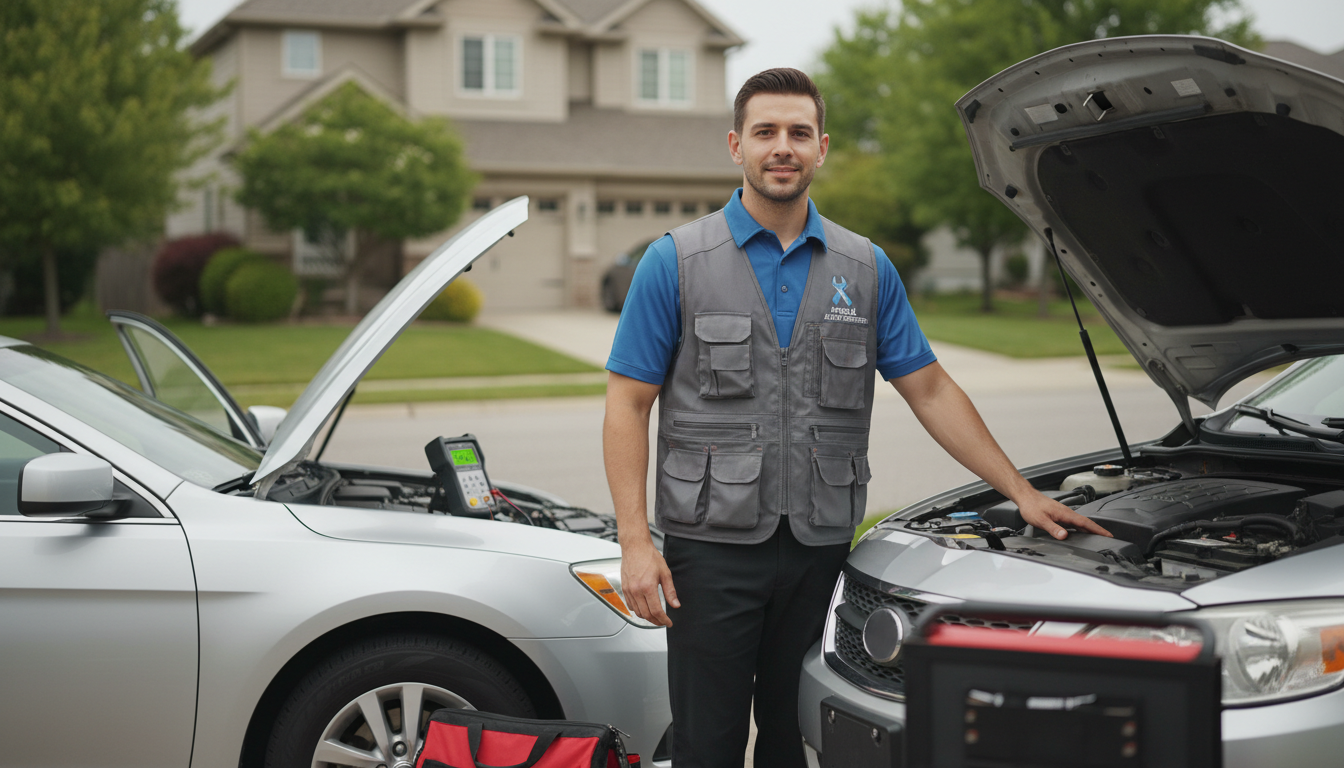
Regular battery checks can prevent unexpected breakdowns. Ensure the battery terminals are clean and free from corrosion. Testing the battery's voltage can also help identify potential problems before they become serious.