
DIY Guide: How to Identify Common Vehicle Diagnostics Issues


Introduction to Vehicle Diagnostics
Modern vehicles come equipped with advanced diagnostic systems that can signal potential issues before they become significant problems. Understanding these diagnostics can save you both time and money by allowing you to address minor issues before they escalate.
In this DIY guide, we'll walk you through how to identify some of the most common vehicle diagnostic issues and what steps you can take to resolve them.
Understanding Diagnostic Trouble Codes (DTCs)
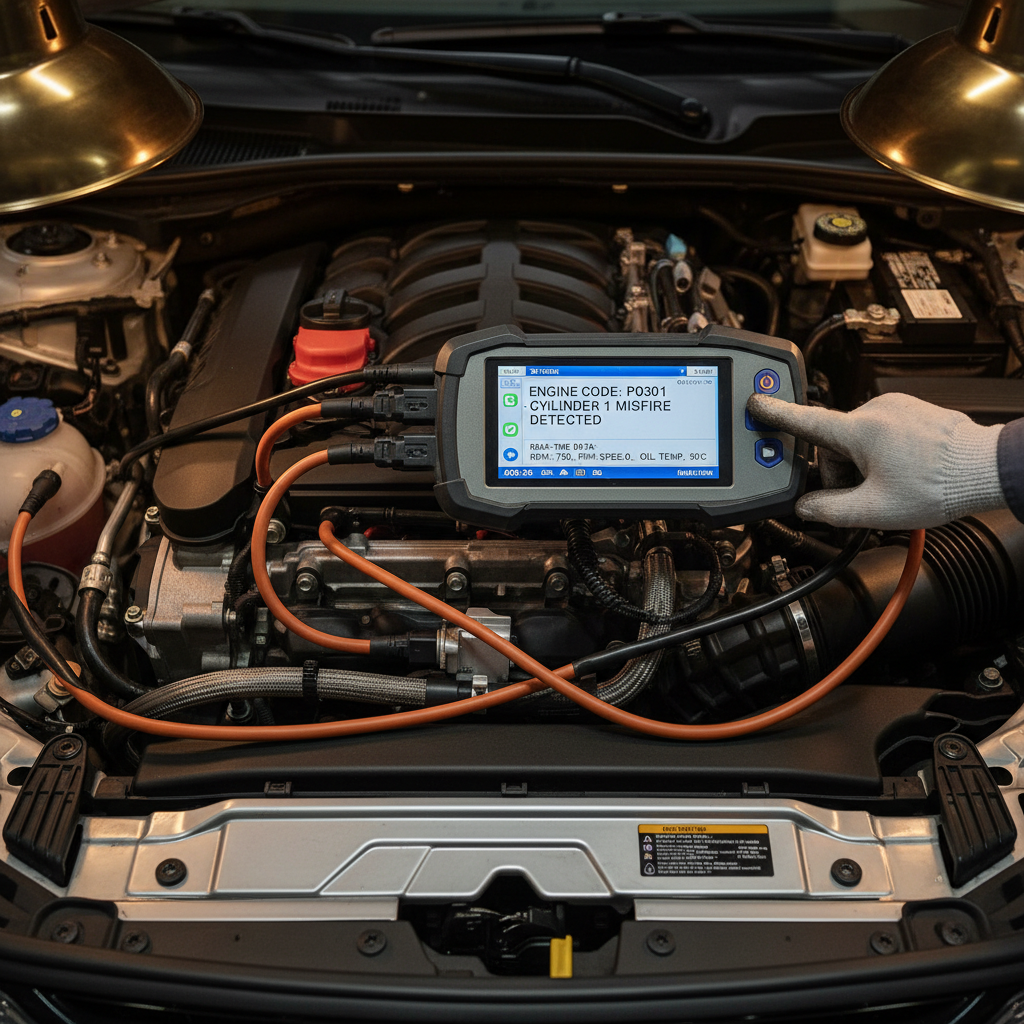
Diagnostic Trouble Codes, or DTCs, are standardized codes used by vehicle manufacturers to identify specific problems. These codes can be accessed using an OBD-II scanner, which connects to your vehicle's onboard diagnostic system.
Common DTCs include codes for engine misfires, oxygen sensor failures, and transmission problems. Familiarizing yourself with these codes can help you pinpoint issues quickly.
Using an OBD-II Scanner
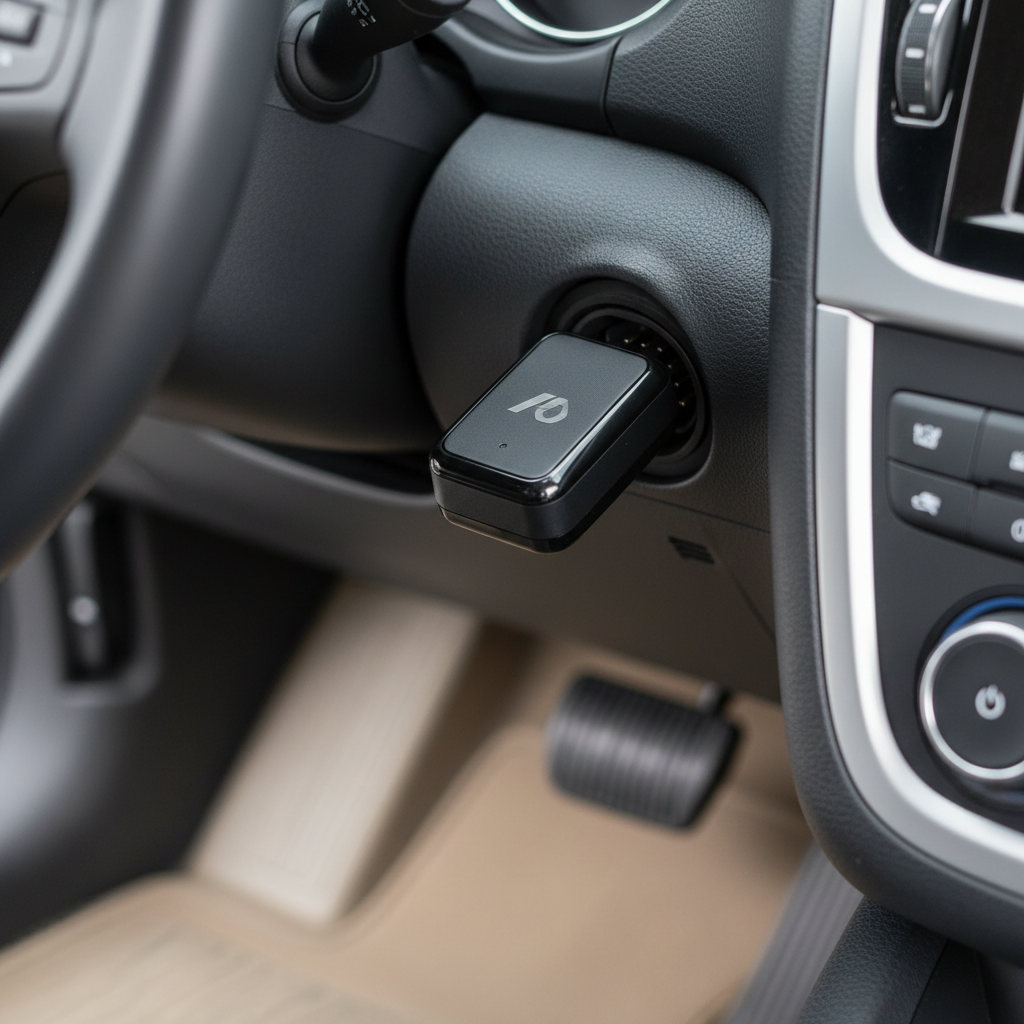
An OBD-II scanner is a handy tool that every DIY mechanic should have. It connects to the port under your vehicle's dashboard and reads the codes stored in the car's computer. This device can provide invaluable information about your vehicle's health.
- Plug the scanner into the OBD-II port.
- Turn on the ignition but don't start the engine.
- Follow the scanner's instructions to read the codes.
Common Vehicle Diagnostic Issues
Check Engine Light
The Check Engine Light is one of the most common indicators of a problem. It can be triggered by various issues, ranging from a loose gas cap to a faulty catalytic converter. Using an OBD-II scanner will help you determine the exact cause.
Battery Problems
Battery issues are another frequent problem. A failing battery can cause starting problems and affect other electrical components. Check the battery's voltage using a multimeter and ensure the terminals are clean and secure.
Addressing Diagnostic Issues
Basic Troubleshooting Steps
Once you've identified a diagnostic issue, there are a few basic troubleshooting steps you can take:
- Research the specific DTC to understand the problem.
- Inspect related components for visible damage or wear.
- Consult your vehicle's manual for specific guidance.
When to Seek Professional Help
While many diagnostic issues can be resolved through DIY methods, some problems require professional expertise. If you're unable to clear a DTC or if the problem persists, it's wise to consult a qualified mechanic for further diagnosis.

Conclusion
Understanding and identifying common vehicle diagnostic issues can empower you to maintain your vehicle effectively. With the right tools and knowledge, you can handle many problems on your own, ensuring your vehicle remains in peak condition.
Remember, regular maintenance and timely attention to diagnostic alerts can extend the life of your vehicle and enhance your driving experience.