
Case Study: Transforming Vehicle Performance with Real Performance Mapping


Introduction to Real Performance Mapping
In the world of vehicle optimization, Real Performance Mapping stands out as a game-changing technology. This innovative approach enhances vehicle performance by analyzing and adjusting engine parameters in real time. By leveraging data-driven insights, Real Performance Mapping provides a tailored solution to maximize efficiency and power.
Understanding the Process
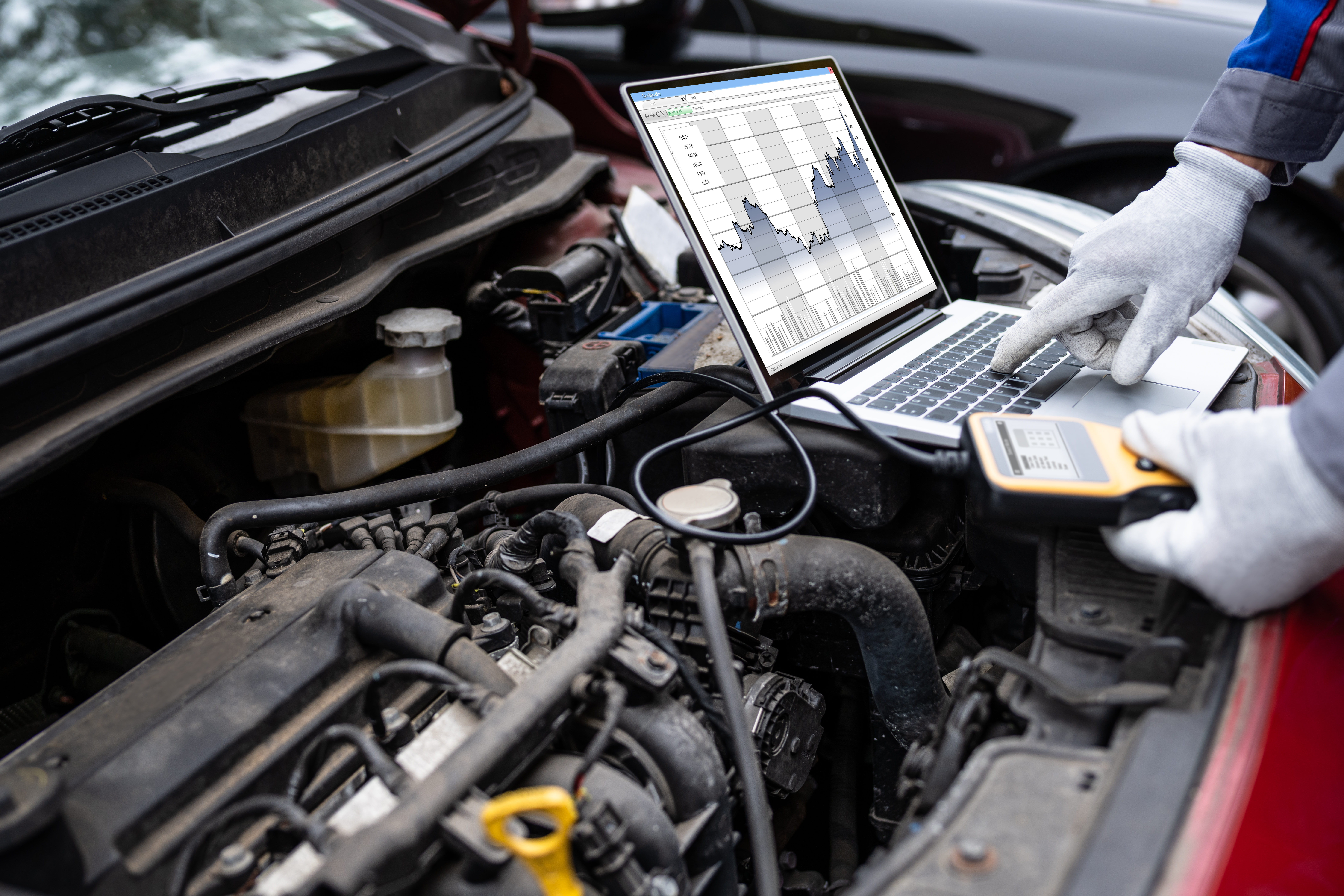
Real Performance Mapping involves a comprehensive assessment of a vehicle's engine dynamics. This sophisticated technique uses advanced sensors and data analytics to monitor various parameters such as fuel injection, air intake, and exhaust emissions. The goal is to fine-tune each aspect to achieve optimal performance.
The process begins with gathering extensive data from the vehicle's onboard systems. This information is then analyzed to identify areas for improvement. Adjustments are made in real time, allowing for immediate feedback and refinement. The result is a vehicle that operates at peak efficiency without compromising on power.
Benefits of Real Performance Mapping
Implementing Real Performance Mapping offers several advantages:
- Increased Fuel Efficiency: By optimizing fuel injection and combustion, vehicles consume less fuel, leading to cost savings.
- Enhanced Power Output: Adjustments in engine parameters result in a noticeable increase in power, providing a more dynamic driving experience.
- Reduced Emissions: Fine-tuning the engine reduces harmful emissions, contributing to a cleaner environment.
Case Study: A Success Story
One notable example of Real Performance Mapping's success is a recent project with a leading automotive manufacturer. The company sought to improve the fuel efficiency and overall performance of its fleet. By implementing Real Performance Mapping, they achieved remarkable results.
Within weeks, the vehicles exhibited a significant increase in fuel efficiency, averaging a 15% improvement across the board. Additionally, drivers reported a smoother and more responsive driving experience, highlighting the tangible benefits of this advanced technology.
Challenges and Solutions
While the benefits are clear, implementing Real Performance Mapping can present challenges. One primary obstacle is the integration of new technology with existing vehicle systems. However, by working closely with automotive engineers and leveraging cutting-edge software, these challenges were effectively addressed.

Another challenge was ensuring the accuracy of data collection and analysis. This was overcome by using state-of-the-art sensors and algorithms, providing precise and reliable data to inform performance adjustments.
Future Implications
The success of Real Performance Mapping paves the way for its broader application across the automotive industry. As technology continues to evolve, this approach will become increasingly accessible and affordable, enabling more manufacturers and consumers to benefit from its advantages.
In conclusion, Real Performance Mapping represents a significant advancement in vehicle optimization. By harnessing data-driven insights and real-time adjustments, it transforms vehicle performance, setting a new standard for efficiency and power.