
A Guide to Diagnostics: Understanding Your Vehicle's Warning Signs


Introduction to Vehicle Diagnostics
Understanding your vehicle's warning signs is crucial for maintaining its health and ensuring your safety on the road. Modern cars come equipped with sophisticated diagnostic systems that alert you to potential issues. Being informed can save you time and money, and prevent breakdowns.
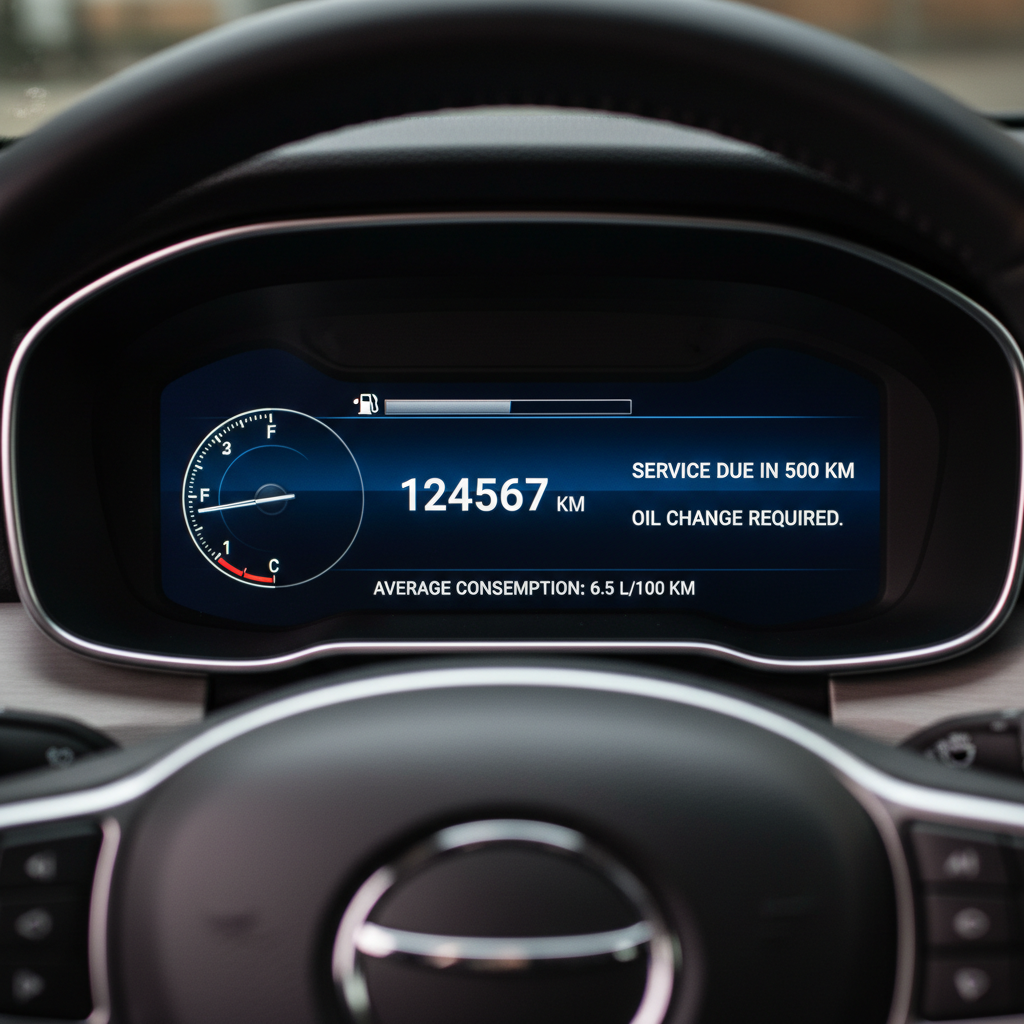
Common Dashboard Warning Lights
Your car's dashboard is like its communication center, designed to alert you to a wide range of issues. Here are some of the most common warning lights:
- Check Engine Light: This could indicate anything from a loose gas cap to a serious engine problem.
- Oil Pressure Warning: Low oil pressure can lead to severe engine damage.
- Brake System Alert: This might signal a problem with your brakes or a low brake fluid level.
Understanding the Check Engine Light
The check engine light is one of the most misunderstood indicators. It can illuminate for a variety of reasons, ranging from minor issues to significant malfunctions. It's important to address this light promptly to avoid costly repairs.

Reading Diagnostic Trouble Codes (DTCs)
When your vehicle's diagnostic system detects a problem, it stores a Diagnostic Trouble Code (DTC). These codes can be retrieved using an OBD-II scanner, providing insight into what might be wrong with your vehicle.
Using an OBD-II Scanner
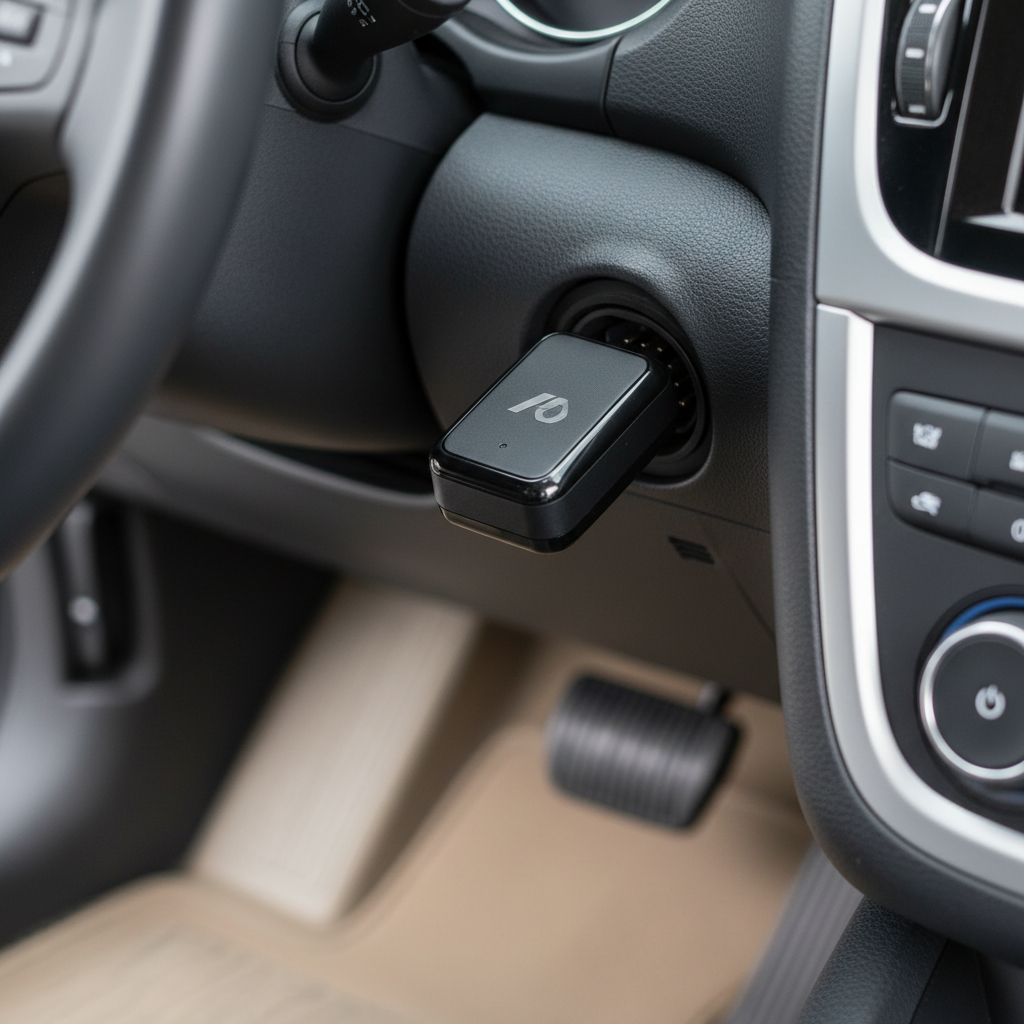
An OBD-II scanner is a powerful tool that allows you to access the trouble codes stored in your vehicle's computer. Here's how to use one:
- Locate the OBD-II port, usually under the dashboard.
- Connect the scanner to the port.
- Turn on the ignition and follow the scanner's prompts to retrieve codes.
Interpreting and Addressing Warning Signs
Once you have the trouble codes, you need to interpret them. Some codes can be addressed with simple fixes, while others may require professional attention. Always refer to your vehicle's manual or consult a mechanic if you're unsure.
When to Seek Professional Help
While some minor issues can be resolved at home, others necessitate the expertise of a professional mechanic. If you're experiencing unfamiliar noises, handling issues, or persistent warning lights, it's best to seek professional advice.
By understanding and responding to your vehicle's warning signs promptly, you can ensure its longevity and your safety on the road.